How to Stop Time from Flying

Featured

7 Practical Ways to Slow Down Your Days

Do you ever feel like weeks slip by in a blur? You blink, and it’s already the weekend—or even the end of the year. That fast-forward feeling is surprisingly common, but the good news is there are simple strategies to slow it down. If you’re wondering how to stop time from flying, you’re in the right place. Here are 7 proven tips to help make your days feel longer, more meaningful, and fully lived.

1. Add Novelty to Your Routine

Our brains encode new experiences more vividly than repetitive ones. If every day feels the same, time compresses in memory. Try something new—a hobby, a new recipe, or even a different walking route. Variety stretches your perception of time and creates a richer mental timeline.

2. Practice Mindfulness and Presence

Being fully present in the moment slows time down. Whether you’re drinking coffee or folding laundry, focus completely on the experience. Mindfulness meditation and breathing techniques can also anchor you in the now and help prevent time from slipping away unnoticed.

3. Keep a Daily Journal

Writing down what you did each day helps solidify the memory of it. Even a short journal entry acts as a time marker, giving your brain more to recall later. It’s a powerful way to make time feel fuller and less like it’s vanishing.

4. Break Up Your Week with Micro-Adventures

Don’t wait for vacations to shake things up. Plan small adventures throughout your week. Go to a new café, try a local museum, or explore a new neighborhood. The more novel experiences you insert into your regular schedule, the less your life blurs together.

5. Engage in Deep Work or Flow Activities

Time flies in the moment when you’re focused—but paradoxically, those same moments feel long and rewarding in memory. Get lost in activities you love or find meaningful: writing, painting, coding, gardening. That deep focus stretches time in the long run.

6. Take Photos and Reflect

Take intentional photos of people, places, and things—not everything, just the highlights. Reviewing your photos at the end of the week or month helps reinforce those moments, building a sense of time well spent and remembered.

7. Spend Time Offline with People

Conversations, shared meals, and real-life experiences stick with us more than scrolling social media. Being present with others doesn’t just build stronger relationships—it also helps you mark time in more meaningful ways. Trust me on this 🙂

Make Time Count

If you’re constantly wondering how to stop time from flying, remember it’s not about slowing the clock—it’s about filling your life with presence, meaning, and memorable moments. By making small, intentional changes to how you live each day, you can create a sense of time that feels expansive instead of elusive.

Try just one of these tips this week and notice how your days begin to feel different.

how to stop time.jpg

Science Diagrams That Look Like Shitpost Explanation

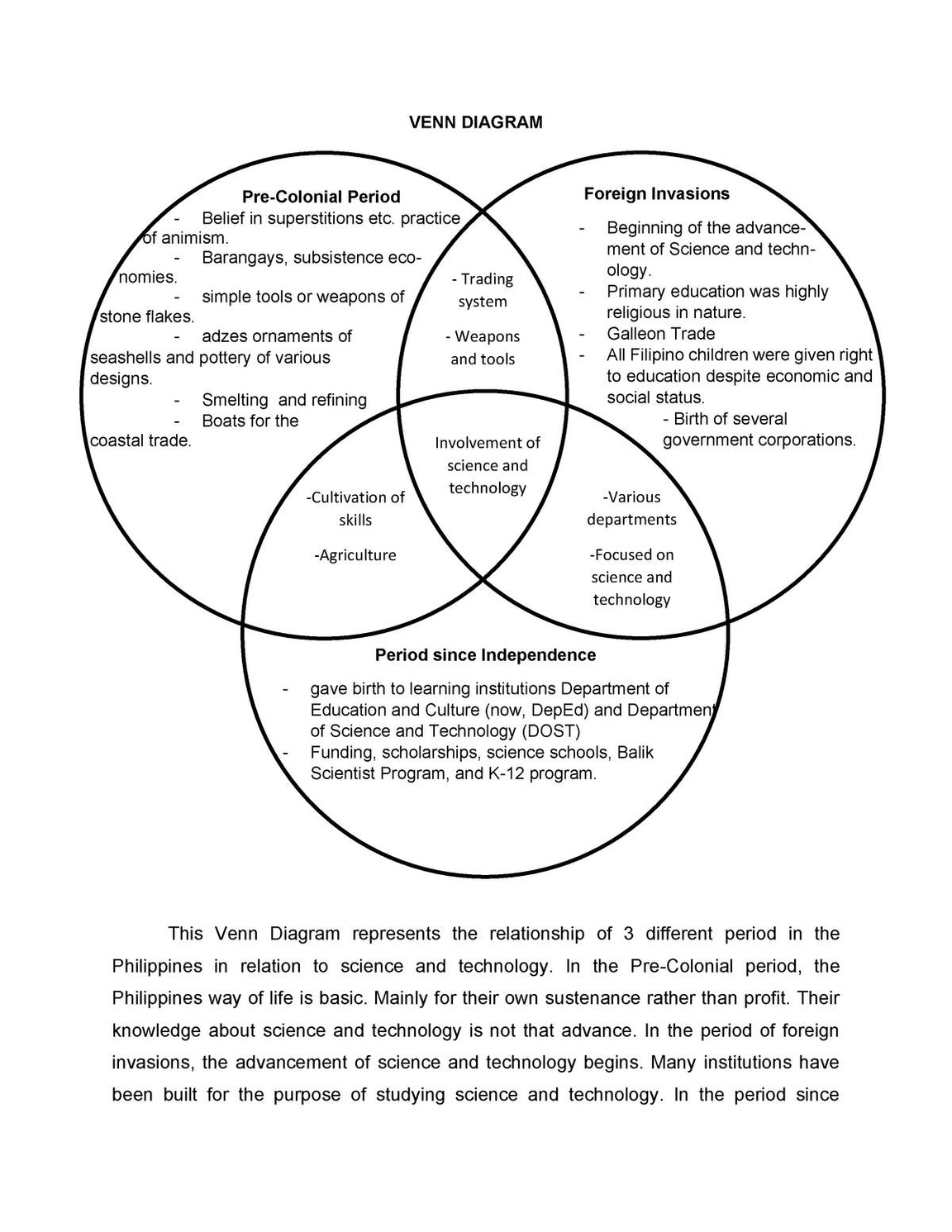
Science Diagrams That Look Like Shitpost Explanation: Some science diagrams, intentionally or not, resemble internet “shitposts” due to their humorous or absurd presentation. Despite their appearance, they can still convey scientific information effectively, often engaging a broader audience.

Science Diagrams That Look Like Shitpost Explanation

Ai Framework Agriculture

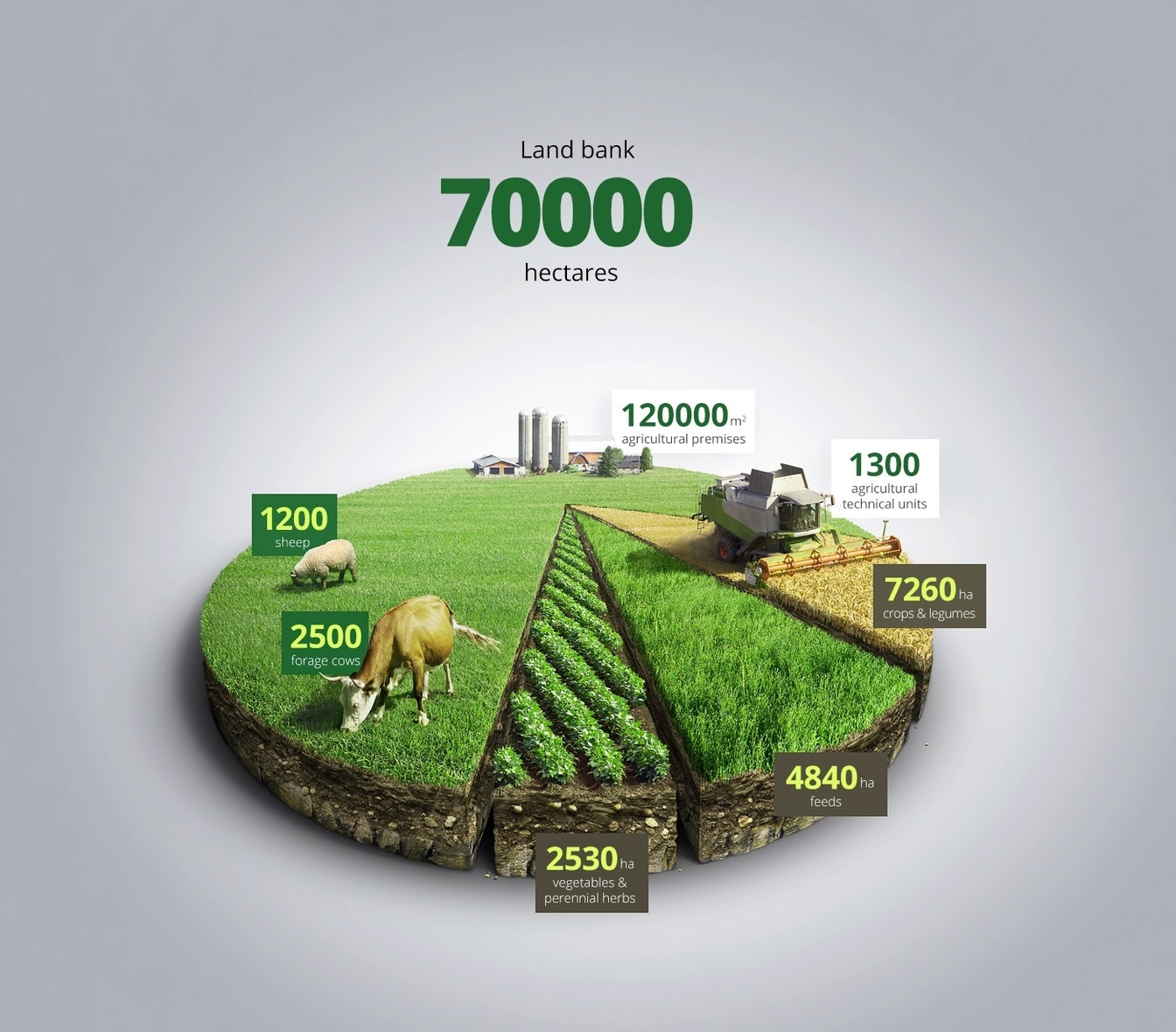
AI Framework Agriculture is a term that refers to the use of artificial intelligence (AI) frameworks, such as TensorFlow, PyTorch, and Keras, to develop and deploy AI-based solutions for various agricultural challenges and opportunities. AI frameworks are software platforms that provide developers with tools and libraries to build and train AI models, such as deep neural networks, generative adversarial networks, and reinforcement learning agents. AI frameworks can also facilitate the integration of AI models with other technologies, such as the internet of things (IoT), blockchain, and drones, to create smart and sustainable farming systems.

AI frameworks can contribute to agriculture in many ways, such as:

– Intelligent Crop Planning: AI frameworks can enable the creation of AI models that can analyze weather forecasts, soil data, crop varieties, market conditions, and other factors to provide optimal crop planning recommendations for farmers at micro and macro levels.
– Smart Farming: AI frameworks can support the development of AI models that can monitor and control various aspects of crop production, such as irrigation, fertilization, pest management, harvesting, and post-harvest processing, using sensors, drones, robots, and other devices.
– Farmgate-to-Fork: AI frameworks can facilitate the implementation of AI models that can enhance the supply chain efficiency and transparency of agricultural products, from farm to consumer, using blockchain, traceability systems, and smart contracts.
– Data-driven Agriculture: AI frameworks can empower the generation of AI models that can leverage big data and analytics to provide farmers with actionable insights and feedback on their farming practices, as well as enable data sharing and collaboration among different stakeholders in the agricultural sector.

AI frameworks have the potential to transform agriculture and address the global challenges of food security, climate change, and rural development. However, the use of AI frameworks also poses some ethical and social issues, such as data privacy, bias, accountability, and human-AI interaction. Therefore, it is important to develop and apply AI frameworks in agriculture with ethical and responsible principles, such as fairness, transparency, inclusivity, and sustainability.

(Word count: 298)

Ai Framework Agriculture

North Macedonia Births per woman

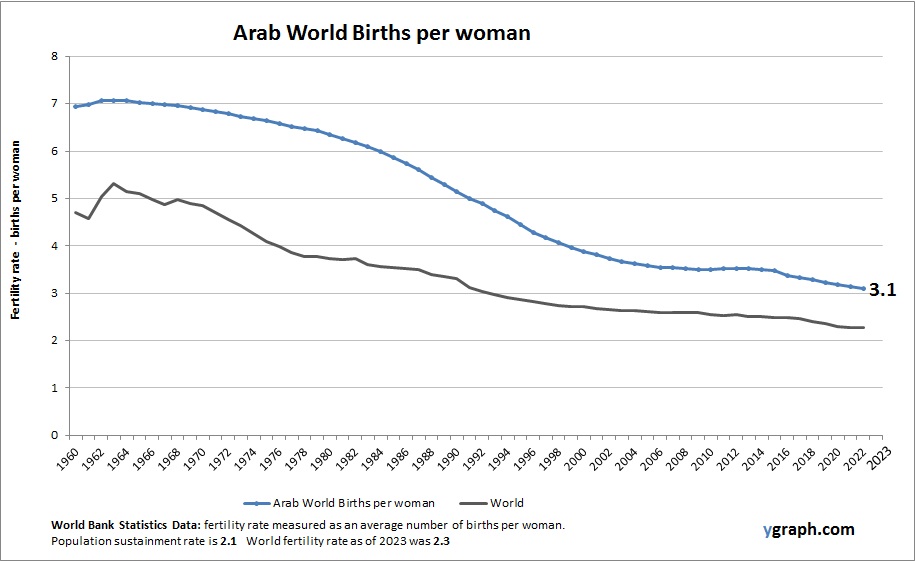
Chart above demonstrates North Macedonia Births per woman. This is according to World Bank birth stats by country. Based on the latest demographics info provided for North Macedonia.

North Macedonia has experienced a steady decline in fertility rates over recent decades, reflecting broader trends in Eastern Europe. Economic challenges, increased urbanization, and greater access to education have influenced smaller family sizes. Despite lower birth rates, the population remains relatively young, though aging concerns are emerging.

North Macedonia Births per woman

Drawings That Represent The 3 Parts Of Cell Theory

Drawings That Represent The 3 Parts Of Cell Theory: Drawings representing the three parts of cell theory illustrate that all living organisms are composed of cells, the cell is the basic unit of life, and all cells arise from pre-existing cells. These diagrams help visualize fundamental biological principles.

Drawings That Represent The 3 Parts Of Cell Theory

Tonga Population

The above graph shows Tonga Population. World Bank is the source of this population data. Based on the latest demographics info provided for Tonga.

Tonga has a small and gradually increasing population, shaped by moderate fertility and significant emigration. While many Tongans live abroad, remittances are vital to the economy. Traditional family structures support relatively high birth rates compared to global averages.

Tonga Population

Finland Population

Chart above demonstrates Finland Population. The country statistics are compiled by World Bank. Latest population information for Finland.

Finland has a low fertility rate and an aging population. As with other Nordic countries, policies exist to support families, but demographic challenges persist, including labor shortages and regional population decline.

Finland Population

World History Timeline 70

The 1970s was a decade of significant change and upheaval in world history. The decade was marked by political turmoil, social unrest, and cultural transformation. Here is a brief timeline of some of the most notable events that occurred during the 1970s:

– In 1970, China became the fifth nation to put a satellite into orbit .
– In 1971, the United States officially ended its involvement in the Vietnam War .
– In 1972, the Watergate scandal broke out, leading to the resignation of President Richard Nixon in 1974 .
– In 1973, the Organization of Petroleum Exporting Countries (OPEC) doubled the price of oil, leading to the gas crisis of the 1970s .
– In 1974, India conducted its first nuclear test, becoming the sixth nation to possess nuclear weapons .
– In 1975, the Vietnam War officially ended with the Fall of Saigon .
– In 1976, the United States celebrated its bicentennial, marking 200 years since the signing of the Declaration of Independence .
– In 1977, the first Star Wars movie was released, becoming an instant classic .
– In 1978, the Camp David Accords were signed, leading to a peace treaty between Israel and Egypt .
– In 1979, the Soviet Union invaded Afghanistan, leading to a decade-long conflict .

This is just a small selection of the many events that took place during the 1970s.

World History Timeline 70

3 Component Systems Of Movie Industry

The movie industry is a complex and dynamic business that involves the creation, distribution, and exhibition of films. Each of these components has its own challenges, opportunities, and strategies to succeed in the competitive and evolving market. Here is a brief overview of the three component systems of the movie industry:

Production: This is the process of making the content of the film, from developing the script and securing the financing to hiring the cast and crew and shooting the scenes. Production can take place in studios or on location, depending on the budget and the artistic vision of the filmmakers. Production also involves editing, sound mixing, and visual effects, which can enhance the quality and appeal of the film. Production companies can be independent, major, or corporate, depending on their size, ownership, and output. Independent production companies are usually small and focus on niche markets or artistic films. Major production companies are large and have more resources and influence, but also face more competition and risk. Corporate production companies are subsidiaries of media conglomerates that own other businesses, such as television networks, publishing houses, or theme parks.

Distribution: This is the process of getting the film to the public, either through theatrical release, home video, television, or streaming platforms. Distribution involves negotiating with exhibitors, such as theater chains or streaming services, to secure the best deals and exposure for the film. Distribution also involves marketing and promotion, which can generate buzz and interest among the potential audience. Distribution can be done by the same company that produced the film, or by a separate company that specializes in distribution. Distribution companies can be domestic or foreign, depending on the markets they target and the rights they acquire. Domestic distribution companies focus on the local market, such as the United States or Canada, while foreign distribution companies deal with the international market, which can be more lucrative but also more complex and diverse.

Exhibition: This is the process of showing the film to the public, either in theaters, on television, or on streaming platforms. Exhibition generates revenue for the film, either through ticket sales, advertising, or subscription fees. Exhibition also provides feedback and recognition for the film, either through word-of-mouth, reviews, or awards. Exhibition can be influenced by many factors, such as the timing, the location, the genre, the rating, and the competition of the film. Exhibition can also be affected by the changing preferences and habits of the audience, who may prefer to watch films at home or on their devices,

3 Component Systems Of Movie Industry

Headlands And Bays

Headlands and bays are geological features that are commonly found along coastlines. A headland is a piece of land that extends out into the sea, while a bay is an indentation in the coastline where the land curves inward. Headlands and bays are formed by the erosion of rock by the sea. The process of erosion is caused by the action of waves, which can be very powerful and can wear away rock over time.

Headlands are formed from hard rock that is more resistant to erosion, such as limestone, chalk, and granite. They form along discordant coastlines where bands of soft and hard rock outcrop at a right angle to the coastline. Due to the different nature of rock, erosion occurs at different rates. Less resistant rock, such as boulder clay, erodes more rapidly than more resistant rock, such as chalk. The bands of soft rock, such as sand and clay, erode more quickly than those of more resistant rock, such as chalk. This leaves a section of land jutting out into the sea called a headland.

Bays are formed by the erosion of soft rock around the headland. Sandy beaches are often found in the sheltered bays where waves lose energy, and their capacity to transport material decreases resulting in material being deposited. The areas where the soft rock has eroded away, next to the headland, are called bays.

The geology of the coastline plays a significant role in the formation of headlands and bays. Where the geology alternates between strata (bands) of soft and hard rock perpendicular to the coast, headlands and bays are formed. The sea erodes the softer rock faster than the harder rock, forming a bay. The harder rock that is left protruding into the sea is the headland.

Concordant coastlines tend to have fewer bays and headlands. Along the coastline of Dorset, there are concordant and discordant coastlines. The concordant coastline runs from west to east along the south coast. The discordant coastline runs from Studland Bay to Durlston Head as the geology changes from clay and sands, to chalk, to clay and sands again to limestone.

In summary, headlands and bays are geological features that are formed by the erosion of rock by the sea. Headlands are formed from hard rock that is more resistant to erosion, while bays are formed by the erosion of soft rock around the headland. The geology of the coastline plays a significant role in the formation of headlands and bays. Concordant coastlines tend to have fewer bays and headlands. The alternating bands of soft and hard rock perpendicular to the coast are what create the conditions for the formation of headlands and bays.

Headlands And Bays

Tajikistan Births per woman

This diagram presents Tajikistan Births per woman. The fertility rate statistics are compiled by World Bank. Based on the latest available information for Tajikistan.

Tajikistan has a relatively high fertility rate, though it has begun to decline slowly. Traditional family values remain strong, and many families have multiple children. Rural areas show higher birth rates than urban centers, where education and access to reproductive health services are more prevalent.

Tajikistan Births per woman